

August 09, 2026
How Does Summer Humidity Affect Mold Growth Indoors?
Summer heat does more than make your home feel stuffy. As outdoor humidity rises, so does the moisture inside your walls, floors, and ceilings, and that creates the perfect environment for mold to take hold. Here’s what every homeowner should know:
- Rising humidity pushes moisture into your home, especially in poorly ventilated areas
- Condensation builds on cool surfaces like walls, windows, and pipes
- Damp materials like carpet, drywall, and wood absorb that moisture, giving mold a place to grow
- Once mold starts spreading, cleaning it without addressing the humidity won’t stop it from coming back
At MasterClean, we want homeowners to understand how summer humidity affects mold growth and what they can do about it. If you need help tackling mold concerns, our team is ready to assist you.
How Does Summer Humidity Raise Moisture Levels Inside Your Home?
When outdoor temperatures climb, warm air holds significantly more moisture than cool air. That humid air finds its way indoors through doors, windows, cracks in the foundation, and your HVAC system. Once inside, it interacts with cooler surfaces and releases that moisture.
Your indoor humidity levels spike, often without you noticing right away. The EPA recommends holding indoor humidity between 30% and 50%. During summer, it’s common for homes without proper ventilation or air conditioning to exceed 60% or even higher. At that level, mold doesn’t just have a chance to grow; it thrives.
Where Does Condensation and Dampness Commonly Build Up Indoors?
Not every room is equally at risk. Moisture tends to collect in specific spots. It’s important that you routinely check various spaces of your home for mold. A few places you should keep an eye on include:
- Bathrooms and kitchens, where steam from showers and cooking adds to existing humidity
- Basements and crawl spaces, which stay cool and trap moisture that comes in from the ground or exterior walls
- Around windows and exterior walls, where warm, humid air meets cooler indoor surfaces
- Behind appliances like refrigerators and washing machines, where air circulation is limited
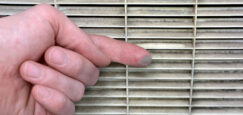
These areas often stay damp for long stretches without anyone noticing, which makes them common starting points for mold growth. A professional cleaning company can help you spot mold and find dependable solutions to get rid of it.
Why Does Mold Grow More Easily on Damp Walls, Carpeting, and Other Materials?
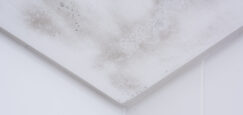
Mold spores are always present in the air. What they need to grow is moisture, and summer humidity supplies plenty of it. Porous materials are especially vulnerable. These can include:
- Carpet and padding absorb moisture quickly and hold it deep in the fibers, making it hard to dry out completely
- Drywall and insulation soak up humidity and rarely dry on their own once saturated
- Wood framing and subfloors can warp and develop mold colonies that spread beneath the surface
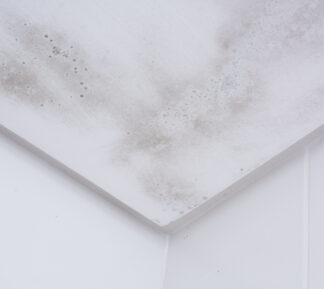
Once a material stays damp for 24 to 48 hours, mold can begin to establish itself. By the time you see visible growth or smell something musty, mold has usually been developing for some time.
Why Does Mold Keep Coming Back After Cleaning?
Many homeowners scrub away visible mold, only to find it returning weeks later. While cleaning removes the surface growth, the underlying moisture problem might stay unresolved, giving mold everything it needs to grow again. This is due to meaning reasons, including:
- Spores are still in the air and on nearby surfaces, ready to recolonize damp spots
- The moisture source never dried out, so materials like carpet or drywall stay wet beneath the surface
- Ventilation issues go unaddressed, keeping humidity levels high throughout the summer months
Stopping mold long-term means tackling both the mold itself and the conditions that allowed it to grow. If you are unable to keep your mold away for good, it might be time to reach out to a professional cleaner.
MasterClean is Here to Help You Keep Your Home Mold-Free
If you’ve spotted mold, noticed a musty smell, or dealt with recurring growth that keeps returning after cleaning, it’s worth calling in professional help. MasterClean has been handling mold removal and water damage since 1984, and our technicians know how to treat the source, not just the surface. Contact us today for a written estimate before any work begins.